











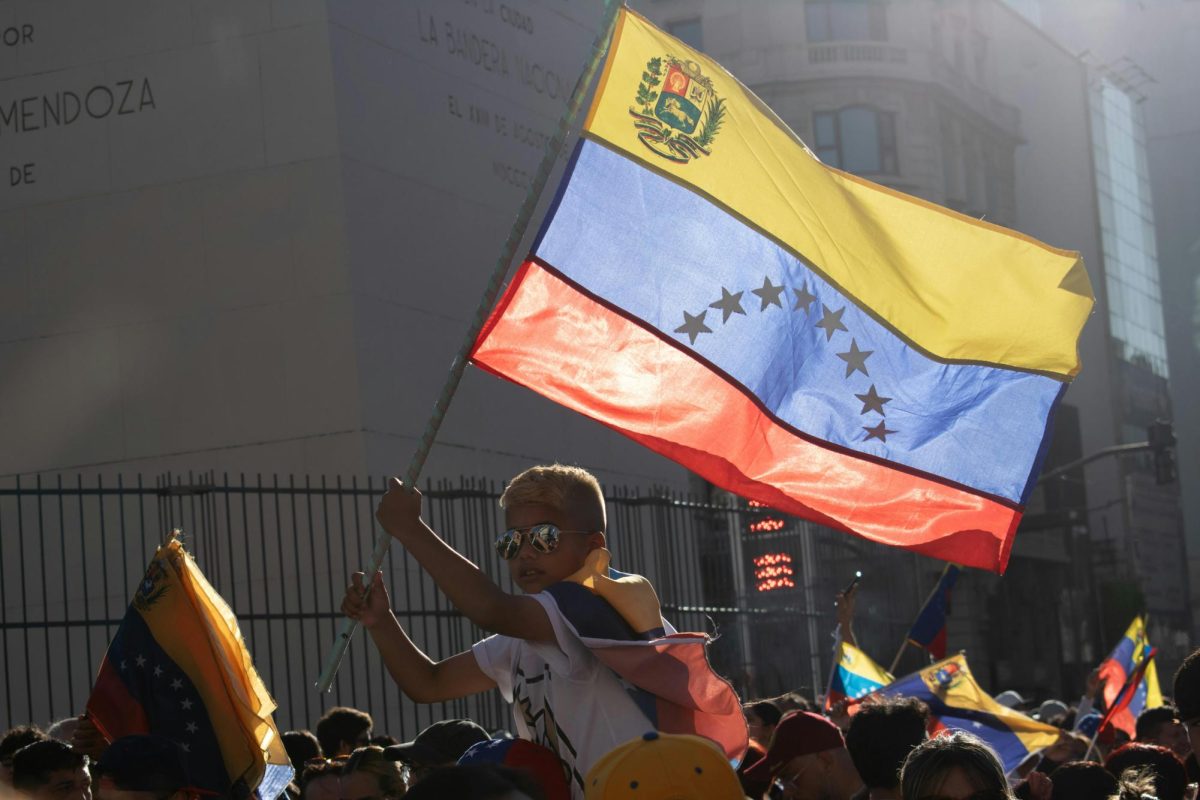
With the capture of Venezuela President Nicolás Maduro on Jan. 2, many Americans wonder what this means for them as Venezuela and America become intertwined. While it may seem these issues just began with his capture, Venezuela’s issues backdate decades. Seemingly, the U.S. is going to be now focusing on Venezuela’s issues alongside its own.
The Bolivarian Republic of Venezuela is home to more than 28 million people. Venezuela’s geographic location was important during the capture of Maduro; bordering Colombia, Brazil, Guyana, and the Caribbean Sea, Venezuela is located on the northern end of South America. Venezuela is known for its diverse landscape, another factor that came into play during Maduro’s capture. Venezuela is home to the Andes mountains, the Amazon rainforest, the Llanos grasslands, and Angel Falls. Additionally, Venezuela is home to the world’s largest crude oil reserves.
Venezuela was colonized by Spain in 1522 and declared its independence in 1811. Venezuela was one of the only democratic countries in South America, contrasting the dictatorships that consumed its surrounding countries. However, the collapse of the oil market in the 1980s damaged the nation’s economy due to Venezuela being a major oil exporter. Through the 19th and 20th centuries, Venezuela experienced major political changes. For four decades, Venezuela was dominated by two political parties: the Democratic Action party and the Christian Social party. The two-party arrangement failed to help reform the country’s issues.
The two-party system lasted up until Hugo Chávez took office; Chávez led the February 1992 failed coup attempt against then-president Carlos Andrés Pérez. After the ban on naming political parties after Bolivar, Chavez rebranded his organization in July 1977 as the Fifth Republic Movement.
He then became president after the 1998 presidential election. Chavez started the Bolivarian Revolution, which aimed to establish socialism and address social inequalities. He gained support through focusing to the poor economic issues the country was facing. Economics teacher Michael King explained, “The United States has had a long history of intervening in the affairs of Latin America that has not always been welcomed by Latin Americans, including Venezuela. However, in recent years, the Venezuelan regime experimented with socialism, destroyed the economy, led to millions of refugees, and ultimately, some combination these factors led to the United States intervening again in Venezuela’s affairs. I guess we’ll see how that works out.” Chavez’s presidency marked a new era in Venezuela, which ended the two-party system, populist rhetoric, and an ambitious reform agenda. Chavez began rewriting the constitution, and his policies brought forth a new Venezuela.
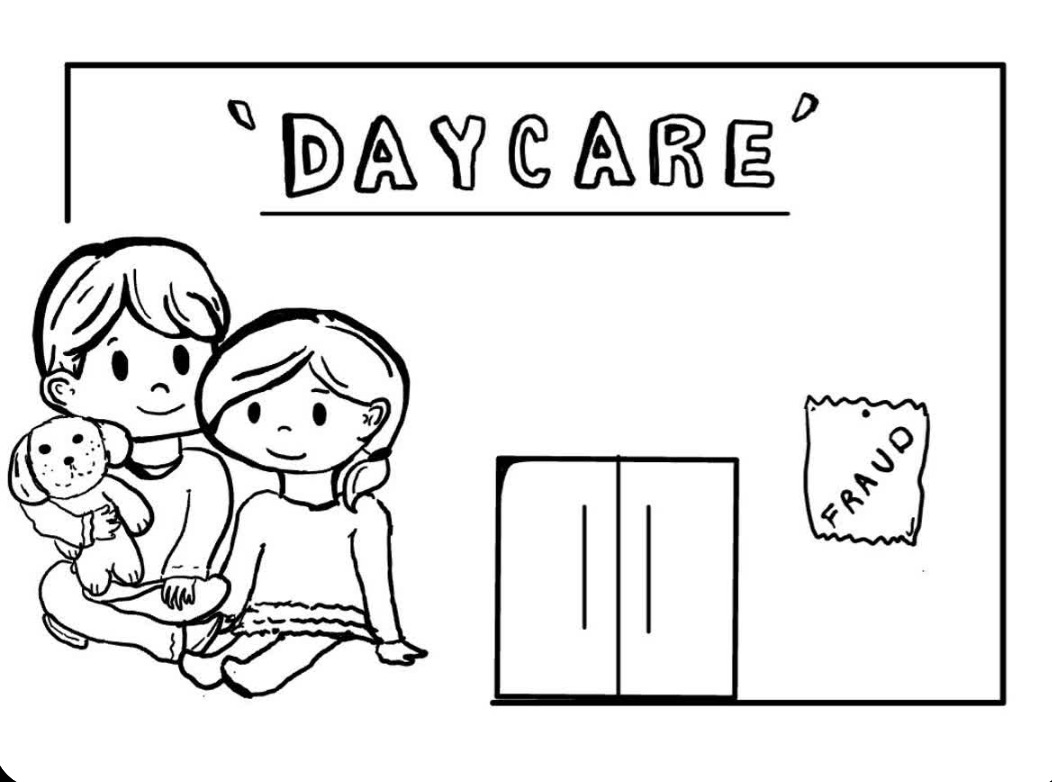
Following his death in 2013, Chavez was succeeded by Nicolas Maduro. Over the course of Mauro’s presidency, he pushed policies for over a decade that led to the fall of Venezuela’s economy. His reelection in 2024 was followed with speculation. As posted on The New York Times (nyt.com) on Jan. 3, independent monitors reported, “The election was marred by fraud and that an opposition leader, Edmundo González, was its legitimate winner.”’ Venezuela’s gross domestic product (GDP) was plummeting even more than the United States’ during the Great Depression. Maduro’s destruction of the economy caused millions to migrate from Venezuela. As posted on the History website (history.com) on Jan. 5, scholars have reported, “’Venezuela has long been dependent on oil revenues, and the Bolivarian revolution of Hugo Chávez did not fundamentally alter that situation…’” Seemingly, Maduro’s and Chavez’s social spending, along with the decline of oil prices, led to Venezuela’s current economic situation.
Venezuela’s economy has affected many. Senior Kamila Ramirez explained, “My grandma initially moved to Venezuela for more economic and job opportunity because it wasn’t that stable in the Dominican Republic at the time. So, Venezuela was an up-and-coming country. Gold was in surplus at the time that my grandmother lived in Venezuela; the country was going up, [and] they had a lot of power.” Ramirez added, “Their currency was worth something back in the day. I brought Mr. King a bill from Venezuela. It was a five bill, but the current currency is in the 1000s; they would never have a five bill anymore because the economy has collapsed so much in the time that my grandma lived there to now. It makes sense that the country has collapsed, and with the U.S. involving itself in Latin American countries, I do believe there’s going to be more intervention in Venezuela. I don’t think the U.S. is going to leave it there, especially since they claim Puerto Rico is a territory.”
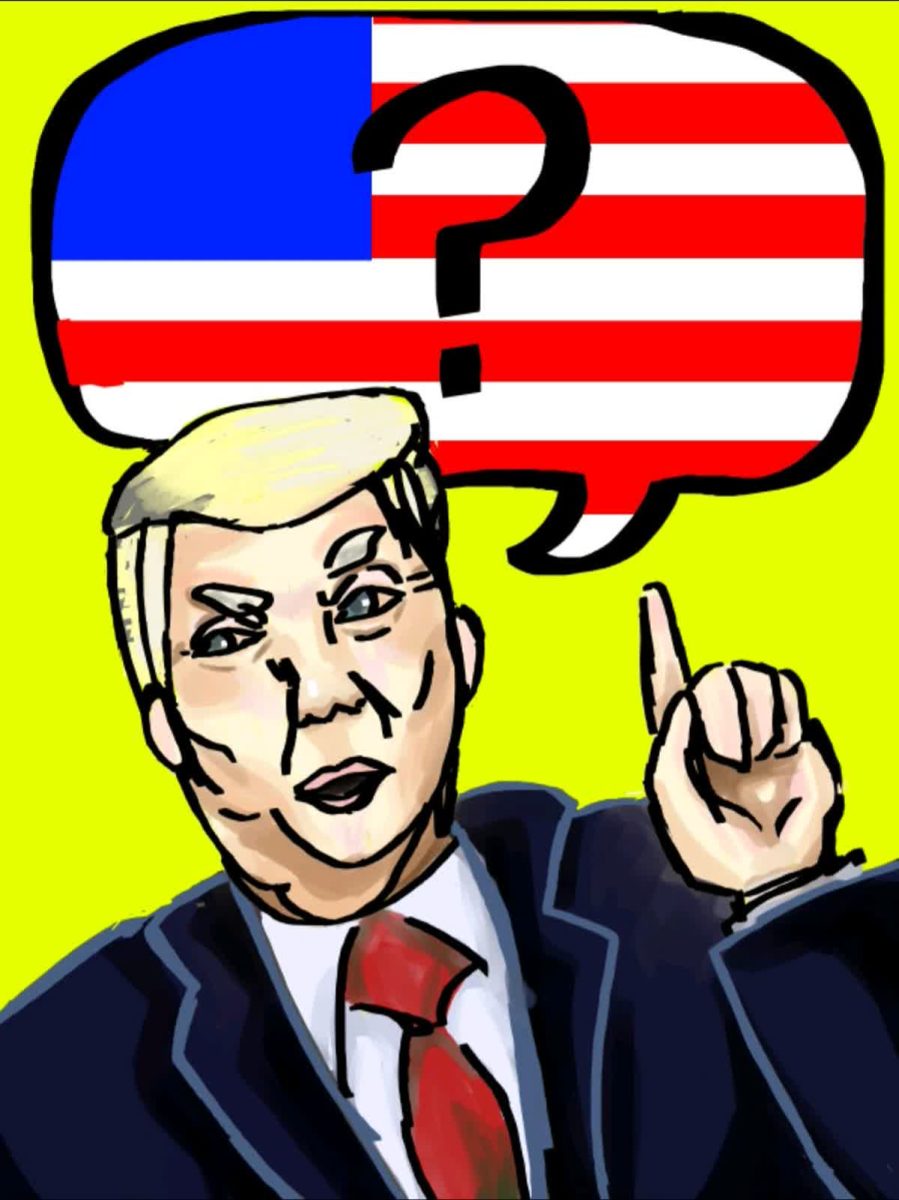
The Trump Administration has framed this operation as part of the U.S.’s campaign focusing on illegal drugs. However, Trump has suggested that this event was influenced by the need of a regime change. Senior Noemie River said, “I feel strongly about the U.S. intervention because U.S. intervention always leads to the destruction of a nation and the fact that it’s happening to Venezuela specifically, it impacts me directly.” Rivera added, “I don’t know a lot about it, but I know that [the U.S.’s] method of intervention was wrong, it doesn’t do any good because Venezuela will just be another pawn.”
There is clearly debate on the U. S.’s involvement with Venezuela’s affairs. After the military operation that captured Maduro and his wife, Cilia Flores, they reportedly sustained injuries and were transferred to a jail in New York. Maduro’s team filed to terminate the charges, arguing that the Venezuelan government funds should cover the charges. The U.S. Treasury approved the transfer of funds to their defense. Flores and Maduro are currently awaiting further court proceedings and will face federal charges for drug trafficking and weapons charges.