








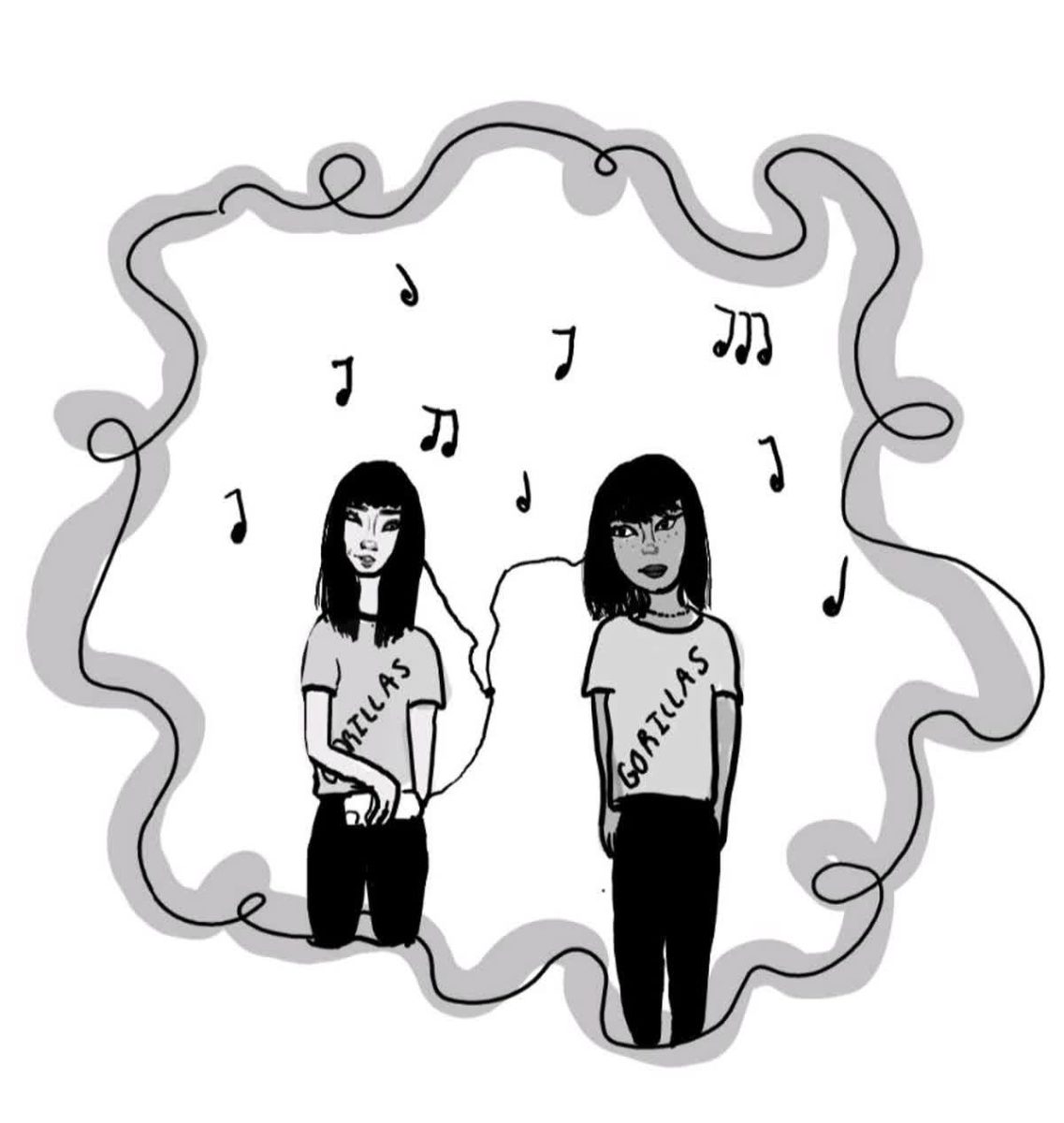















Teenagers today are always on their phones. Studies from Utah Valley Pediatrics show that 70% of teenagers are on their phones 30 minutes before sleep, and around 30-40% of teenagers sleep with their phone. This creates a global issue that most teenagers are suffering from: lack of sleep.
Lack of sleep can lead to many issues like heart disease, kidney disease, high blood pressure, diabetes, stroke, obesity, and depression. All these issues can also lead to death. It is essential for teenagers to get 9-9.5 hours of sleep every night, according to Johns Hopkins Medicine.
The reason why phones are bad for sleeping in general is because they keeps one’s mind running/thinking. Studies have also shown that phones suppress the production of melatonin, which is a natural hormone that helps people feel tired and ready to sleep. This hormone is responsible for the feeling of alertness, which is essential in one’s day-to-day life. Ali Elalami, a senior, said, “I don’t think being on your phone before sleep is a big problem as long as you’re not having trouble sleeping. If so, then you will probably have to consider not being on your phone before you go to sleep.” This is true to an extent. Even if you do not have trouble going to sleep, the blue light from the screen suppresses melatonin, tricking the brain into thinking about it during the daytime, delaying sleep, and creating poor daytime alertness despite hours in bed.
Being on the phone before sleep can also affect mental health in many ways, like increasing anxiety, stress, depression, and irritability. Anxiety, stress, depression, and irritability overstimulate the brain, which could eventually lead to mental breakdowns. Nathaly Bustamante, a freshman, said, “I think teenagers shouldn’t be on their phones an hour before sleep. I feel like 30 minutes isn’t enough, and the brain needs more time to rest.” Even though most people might say that one should not be on the phone 30 minutes before sleep, an extra 30 minutes would not hurt. This applies to teenagers who have unsuccessfully tried to not be on their phones 30 minutes before sleep because they are addicted to them.
Angie Rodriguez, a sophomore, said, “You need space in your brain to rest, and you need to be relaxed with no distractions to sleep. I also think the radiation from sleeping next to your phone is bad for you.” This is partially true. According to The National Cancer Institute (cancer.gov), cell phones do emit radio frequency waves within a certain range. The human body is designed in such a way that parts of the head or body located closer to the device can absorb emitted energy and convert it into heat. However, this radiation is not considered dangerous and does not potentially increase the risk of cancer.
It is essential to not avoid being on the phone before sleep for many reasons. Studies even show that the phone should not be next to somoene when he/she is trying to go to sleep just simply because of the mere temptation to use it. Teenagers have to learn how to control the addiction to their phones, and this can be done by finding a hobby or other something else of interest. When it comes to lack of sleep in teens especially, the phone is often the culprit.