













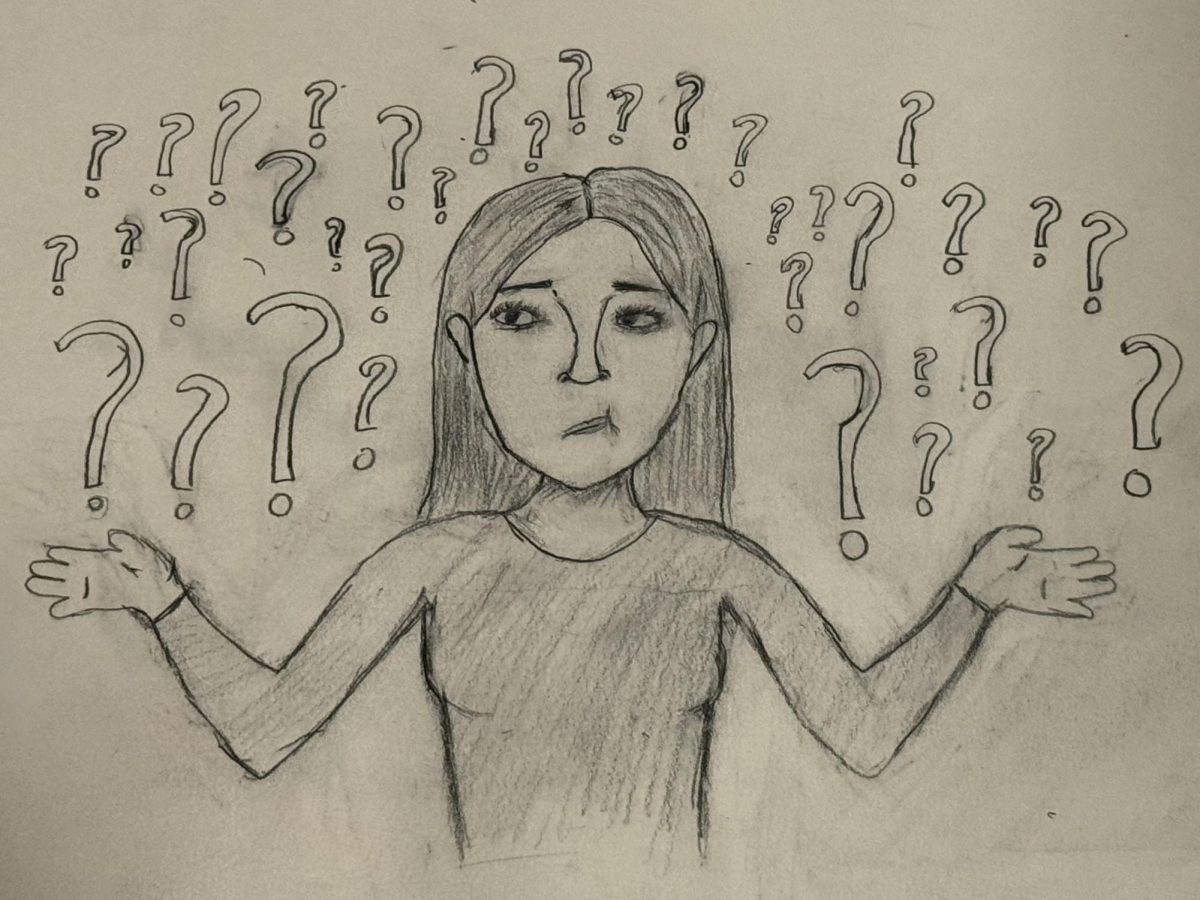


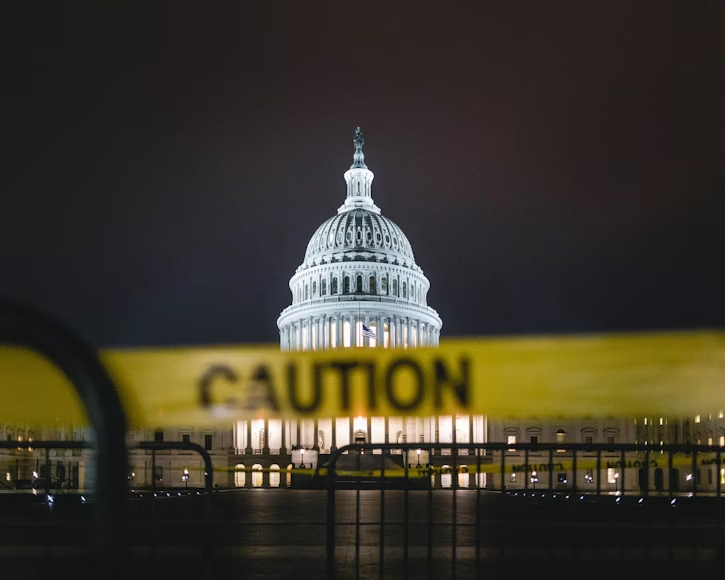
After 43 days, the government shutdown came to an end on November 12. From October to November, the U.S. federal government was shut down, affecting millions of Americans. Despite this, many do not know what a federal government shutdown really is, or what such a shutdown really means for the country. This issue is complex and layered, but it is important to understand.
The cause of the shutdown was disagreements about funding between Democrats and Republicans, who were unable to get their funding proposals passed in the Senate. Specifically, Republicans and Democrats were unable to come to an agreement on health care tax credits. Lynbrook students do appear to have some understanding of what the shutdown meant and why it happened. Hassan Mobarek, a junior, said, “The government shutdown is when both political parties, Democrats and Republicans, can’t come to an agreement on budget. I think soon [the country] will go back to normal, but we will have drastic consequences.” Many LHS students learned about the shutdown through their social studies classes and the conversations that took place there. Erin Fishman, a junior, a said, “[I know that] there was a disagreement on the funding.”
When there was no approval, extension, or agreement to another funding bill, spending authority expired. This meant that the government agencies would struggle to fund federal programs and activities. Thus, the government shutdown began.
While this issue may seem as though it only affects those in Congress, it actually affected millions of Americans. Many federal workers’ lives were uprooted, with some going without pay during the shutdown. The article “Here’s How a Government Shutdown Works” from The New York Times (NYT.com), said, “While most federal workers are likely to be furloughed, those designated as ‘excepted,’ such as active-duty troops, air traffic controllers, and federal law enforcement officers, stay on the job, even though they cannot be paid for that work until after the shutdown is over.” Some government employees were furloughed, meaning workers were sent home without work.
Food was a main concern throughout the government shutdown, mainly because of the lack of Supplemental Nutrition Assistance Program, SNAP benefits. SNAP provides food assistance to low and/or medium-income families. However, with SNAP being a federal program, families were concerned about securing needed assistance. While SNAP benefits were threatened during the shutdown, other government shutdown programs continued as usual, like Medicaid and Medicare.
Even though the shutdown needed to come to an end, the Senate was unable to reach a quick agreement. Democrats opposed Republicans’ appropriations bill because it did not include the Affordable Care Act subsidies that were set to expire in November. Ethel Genovia, a junior, said, “[After the shutdown], I don’t think we will go back to normal soon because a lot of people were affected by it.”
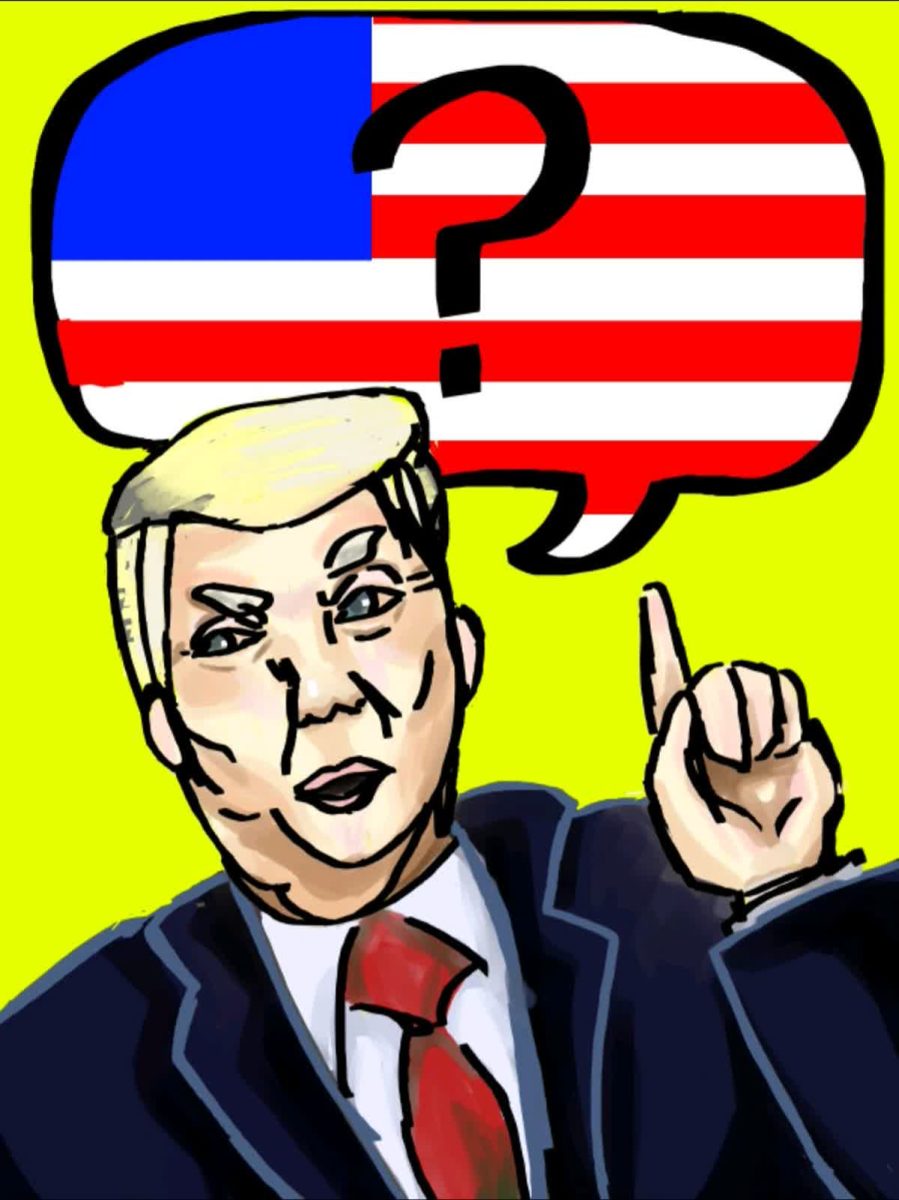
The shutdown ended after President Trump signed a deal that was able to temporary end it. The legislation failed 14 times before a revised appropriation bill was formed. However, this temporary truce will only last until January, and tensions between both parties are still ongoing.