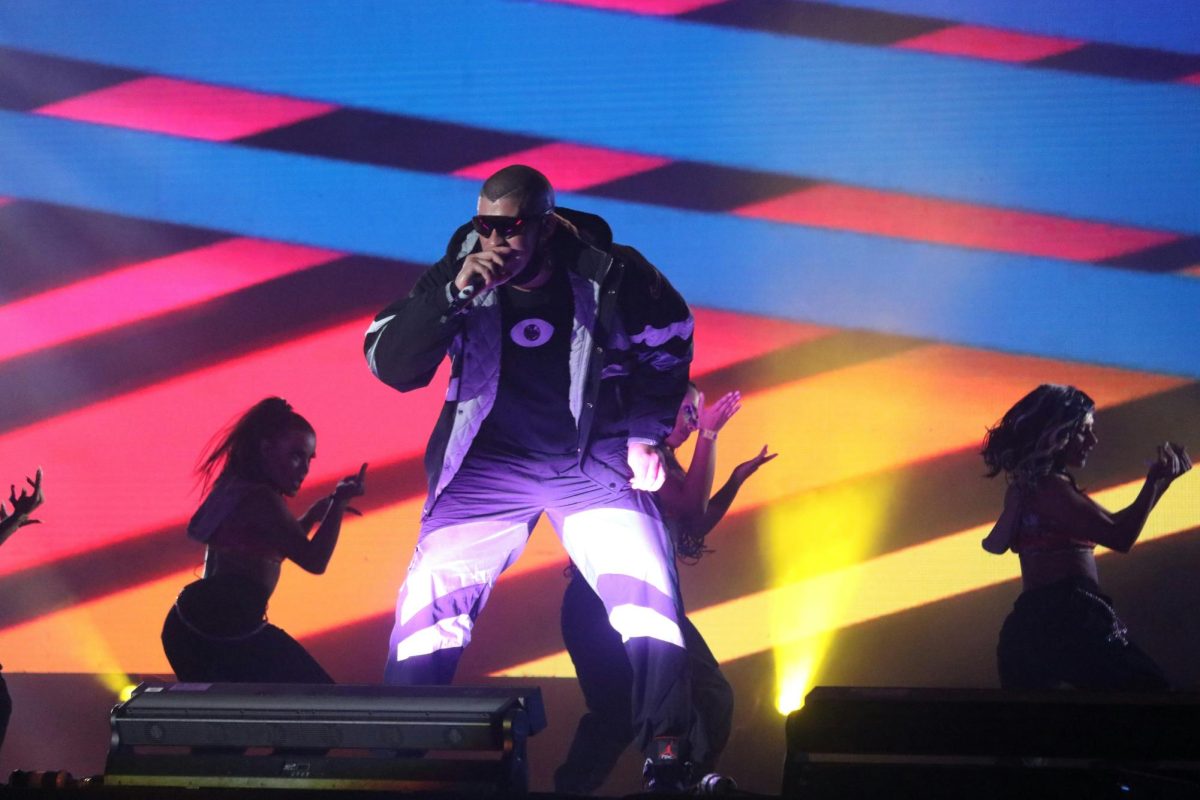




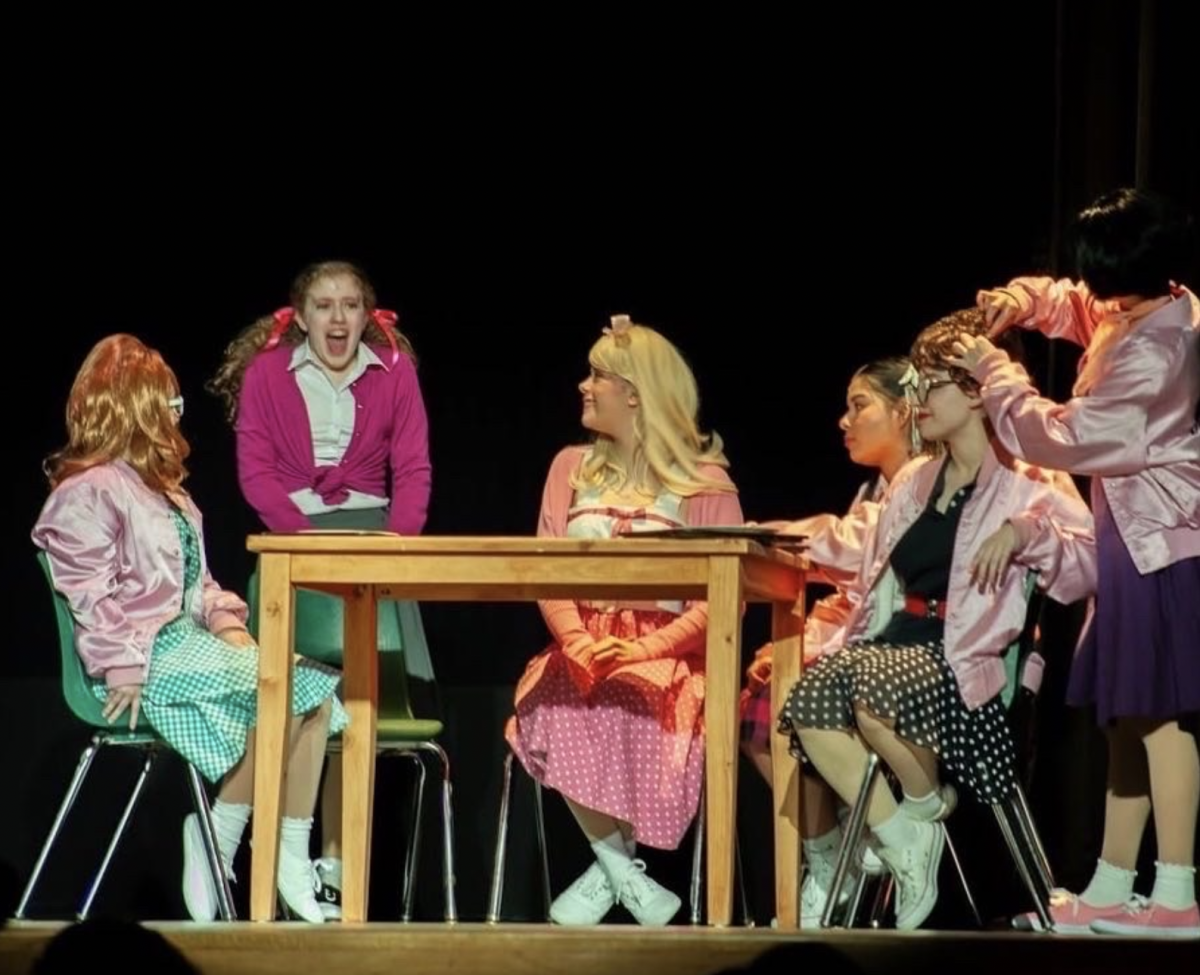



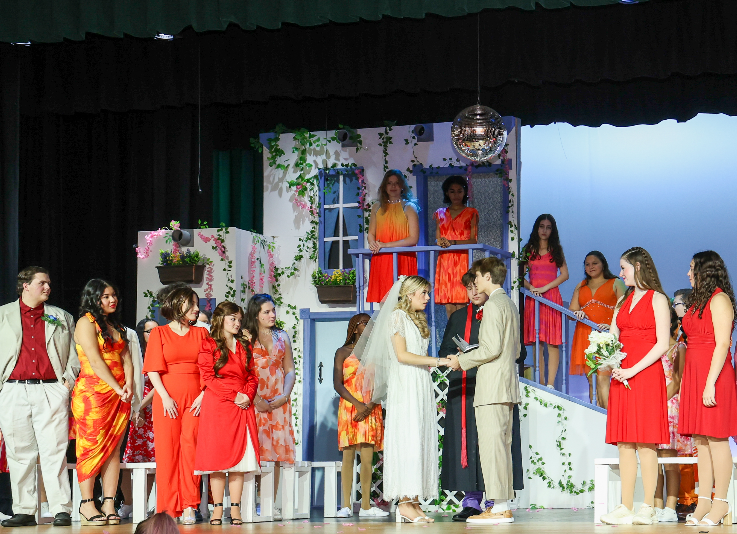
The theatre roars with applause as the final curtain closes on the successful production of Mamma Mia! The young actors and cast members leave the auditorium with the sudden realization that all their hard work has come to an end. Staring at the elaborate set and the choreographed musical numbers, it is evident that an immense amount of effort was put in by many for this year’s musical. Very few members of the audience will be able to understand the preparation that occurred during the two months of rehearsals prior to the show, or the brutal tech week that kept students in school past dinner every day until opening night.
Starting Thursday, Nov. 17, and ending Wednesday, Nov. 19, cast, stage crew, and pit orchestra members rehearsed in the auditorium as late as 9 PM. Full run-throughs, lighting, microphones, set changes, and costumes shared the spotlight as the final touches were made. Tech week is the first time students work with the technological aspects of the show, such as adjusting their volume with lavalier microphones and having colorful lights shining on them for the first time. The pit orchestra also plays a vital role in the production; this is the first time that musical numbers are performed together with dialogue, acting, and during the transitional period of set changes for the stage crew members. Surrounded by many working groups that must operate seamlessly together, Tech Week is fast-paced, full of repetition, and a first glimpse of truly stepping into one’s character.
Every day after the last bell, students had around half an hour to grab food and recharge from the school day before they had to be costume and makeup ready. As the week progressed, each rehearsal was treated like opening night: costumes neatly organized backstage, hair and makeup were applied, and props for each scene accounted for and ready to be distributed. During this time, the stage crew completed spiking. After the positions for sets, props, and larger items that need to be taken on and off the stage are finalized, crew members mark the stage floor with bright neon tape that is color coded for each scene. This allows the crew to move efficiently in the dark during scene changes and the actors to move freely across the stage with the proper awareness of their surroundings.
Crew members are also in communication throughout the show. Tech week is the first time that managers have access to headsets, which allows them to communicate with Stage Left, Stage Right, the directors, and the lighting booth. Junior and Assistant Stage Manager Annie Murray was in charge of calling the production. Anyone who calls the show must follow the script and give verbal cues to the crew members about the next scene, the important elements needed, and must keep the production flowing through constant reminders and check-ins. “It’s easy, I mostly just say what the next set change is without needing to go into detail because [the other stage managers] know what they are doing,” explained Murray. During rehearsals, Murray would also be the one to help actors recall their lines. “There’s a lot of lines in the show, and a lot of them are [incorporated into] the songs, which is hard enough because the orchestra needs to be cued in time. That’s definitely one of the hardest parts of the show right now.”
The words most spoken at the beginning of the week are: “we have something,” a powerful response to the extreme chaos that usually surrounds the first two evenings. Emotions are high, transitions are slow, lights are blinding, but small victories of completing a scene are rarely looked over. “Working with the pit makes things easier during scene changes. It’s not like a recording where you can’t slow things down, the pit keeps going until you’re done with the scene change which makes things better for us,” senior and Stage Manager Amanda Perri explained after working on blackout transitions with the orchestra for a few days.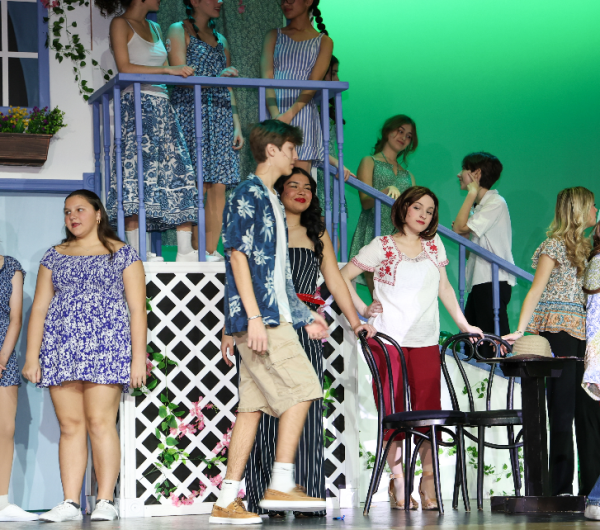
Tech Week’s main focus is bringing together scenes that were rehearsed individually to create a comfortable and smooth rhythm of the show. “Getting into the flow of the show is hard,” senior Jackson Reiser, who played Sam Carmichael, explained. “Blocking each individual scene is easy but putting everything together becomes pretty difficult,” he added. This is also the time when actors start to truly connect with their characters and project some of their own personality into the script. “I like how you see Sam in the beginning of the show as kind of a jerk…then he starts talking about divorcing his wife and losing his children, and you see the underlying issues and character development later on,” Reiser said.
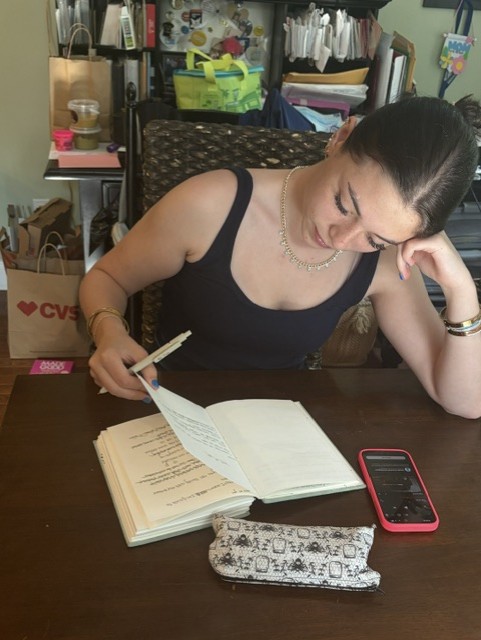
The life of a student is never over though. Long hours after school are taken up by homework and studying, causing stress for almost all of the students involved. In between scenes, actors would be seen reading their books for English or working on math problems in the corners of their dressing rooms. Despite these stresses, the auditorium had become a place where friendships were built and strengthened in the middle of dance breaks and singing. “My favorite part has to be spending time with friends who have become family over this whole show,” junior Jack Bowl reflected. Although stressed, it is a community of people who work on building each other up and have fun in the process.
Tech Week for Mamma Mia! helped create a production that audience members were buzzing about after four performances. The dedication that was shown by everyone involved creating a meaningful final show for the senior cast, who took their final bows. While the audience had seen the finished product, only the students involved will remember the passion and commitment they felt for sparkly jumpsuits and the taverna under the warm Greek sun.