





















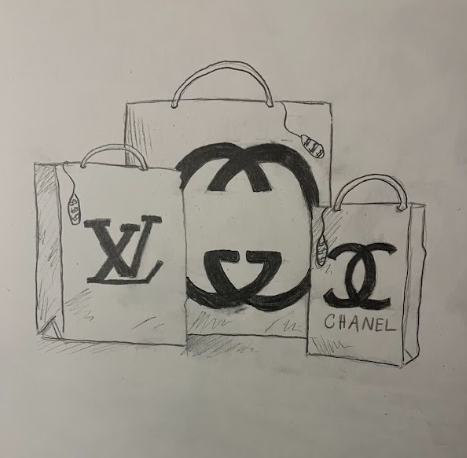
Luxury items — not just the average watch or purse one puts on for convenience or fashion, but a symbol of wealth and prestige. They are non-essential, high-quality goods that are expensive and often limited: notable brands that have been around for decades include Rolex, Gucci, and Prada. Many pour thousands of dollars annually into new designer items without thinking; however, it might be time to start reevaluating those decisions.
The fact that luxury goods should be, on paper, limited to people with immense wealth, might cause one to think that the market is not that big. Yet, as reported by the Research and Markets website (researchandmarkets.com), the global luxury goods market is valued in 2025 at approximately $471.49 billion, with the largest segment consisting of luxury watches and jewelry at a market volume of $158.12 billion. By 2030, the market is estimated to be around $579 billion. The market is very large, and clearly has room for even more growth, but what contributes to that?
Contrary to what one might think, the majority (75%) of global luxury spending is driven by middle-and- lower-income consumers. This demographic is often referred to as “aspirational buyers,” or people who commonly use financing options such as EMIs or credit cards to afford high-end products. This is an on-going issue, and it shows in data: according to the WalletHub website (wallethub.com/), in November 2025, the average credit card annual percentage rate (APR) is around 20.4-22.25%, an all-time high after an increase in APR margins. This is an issue because it keeps people in a cycle of poverty and encourages bad spending habits. For instance, compare the average price of a Gucci bag, which can range from $900-$3,000, to a much more affordable $5-$20 bag at everyday retail stores.
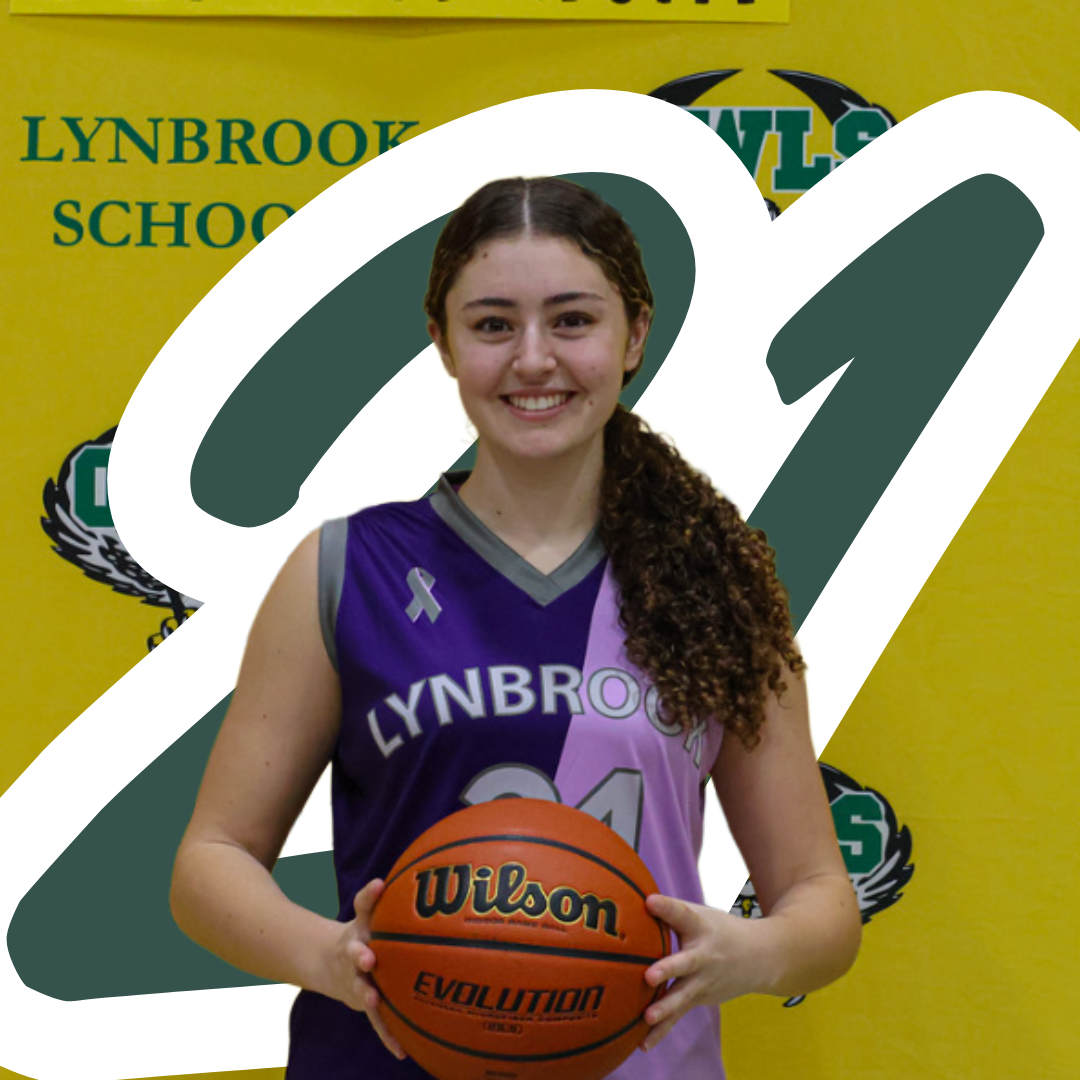
So, what do people at LHS think about spending luxuriously? Freshman Annabel Jahn explained, “I think that luxury brands are only a scam if A: it’s way overpriced for something that isn’t valuable, or B: it’s advertised as a great product but turns out to be bad.” When asked about if she would buy luxury if she had the money, she responded, “It would be a large cabin in the middle of the woods with no people around in Iceland,” shedding light on an interesting perspective that might often be forgotten – that luxury is not always tied to a specific item or brand.
When physical education teacher Brian Hetrick was asked if he would ever spend on luxury, he replied, “No, even if I was rich, I wouldn’t.” He elaborated, “I don’t think [luxury items] are worth the price. I think some are made better than others, but I would rather get [everything] at a thrift shop.” Hetrick’s view is common amongst the middle-class, as much of the population only purchases luxury as a “treat.” He also commented, “I think some may be attracted [to buy luxury] because they want to flaunt what they have.”
Some people might buy luxury because it helps them cope with various problems. Retail therapy, as defined by the Oxford Dictionary, is “the practice of shopping in order to make oneself feel more cheerful.” Health teacher Jennifer Kramer said, “Shopping can be a healthy coping skill, but you can’t shop your problems away.” Kramer herself loves shopping. “I will sometimes go to HomeGoods and just look at items even if I don’t buy anything,” she chuckled. Kramer has always admired and wanted to buy from designer brands; however, she acknowledges that she cannot part with a large amount of money for usually only a single item. For those struggling with over or underspending, Kramer recommended, “Buy what you like! You don’t have to buy what everyone else buys.”
Luxury items are, at their core, optional. One should never feel discouraged by the hefty price tag or potential fear of being called “show-offs” if they truly want something. Quality is always guaranteed with luxury, so customers do not have to fret over the condition of their products. However, one’s financial situation should always be considered before purchasing high-end products. These days, financial budgeting is becoming an increasingly important skill, especially with all the new technology that allows paying to be almost second nature along with higher complexity scams coming out. Even though luxury items are usually not worth their high price for most, there will always be some who might have the money and get enough enjoyment out of the purchases for them to be considered “worth it.” As long as finance is not an issue, people should be allowed to spend however much they want on what they want.