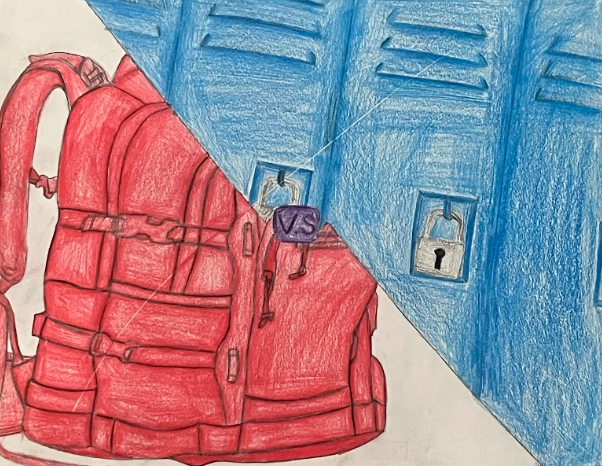










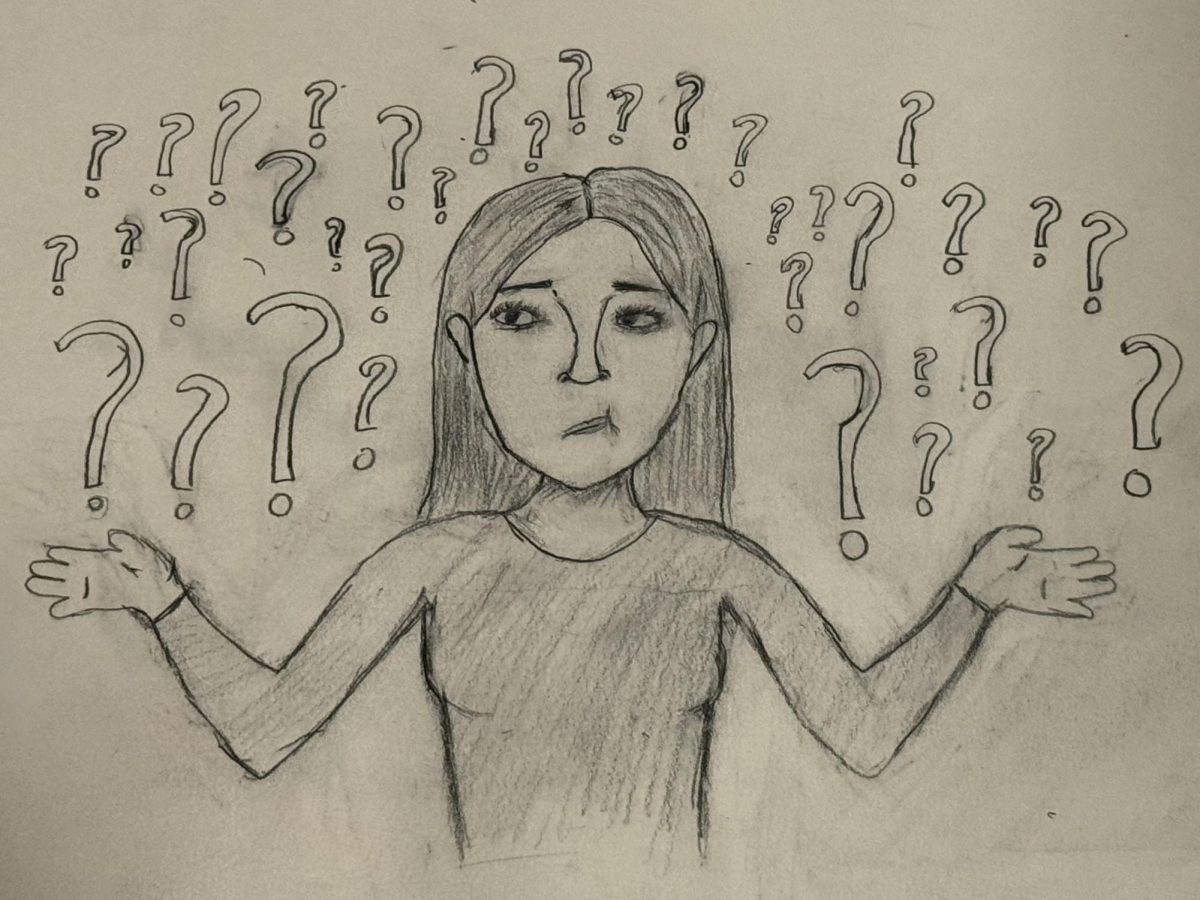

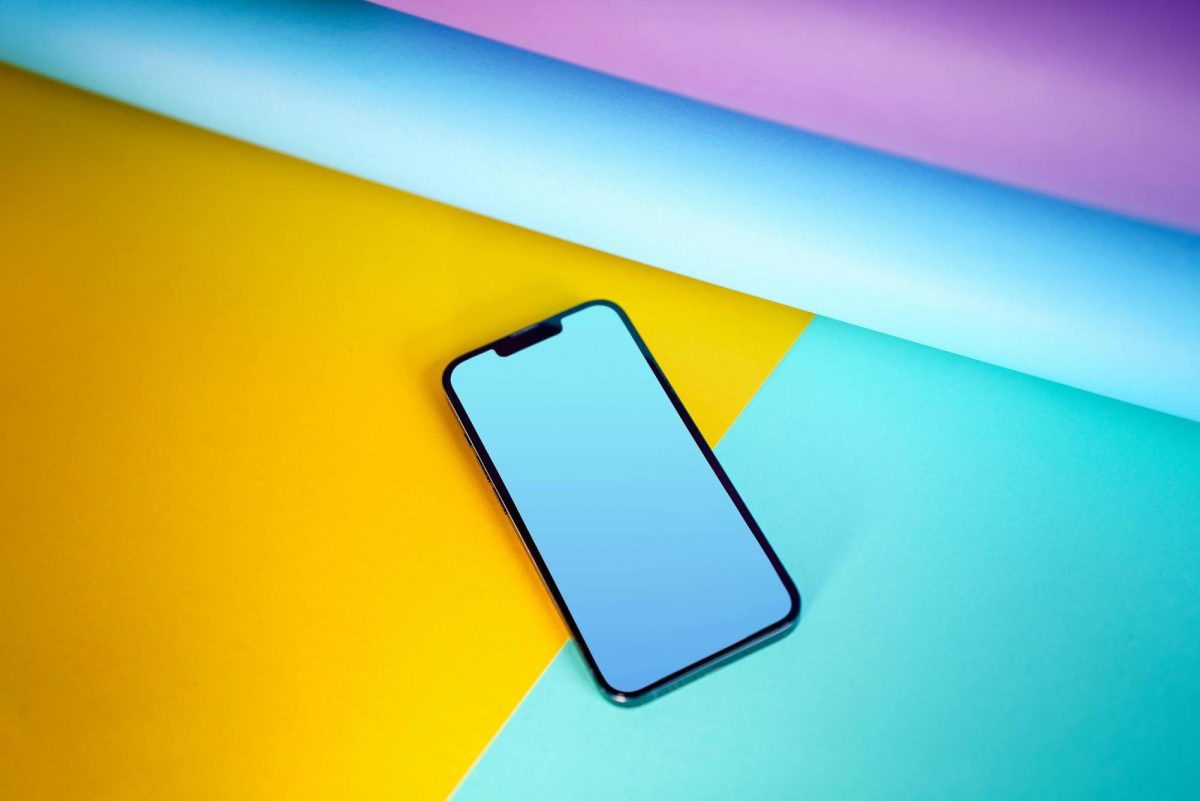
Many did not believe that last year’s proposed cell phone ban in schools would really take effect. Some even thought teachers were joking about it when it was discussed. The cell phone ban appears to have mixed reactions; some view it as a huge relief, while others see it as a hard blow both to teachers and students. LHS went from having what seemed like more than half the students in the halls staring at their phones while walking, to a phone now being a rare sight. The cell phone ban has many pros and cons, so it is interesting to see what some of the opinions are amongst the population at LHS.
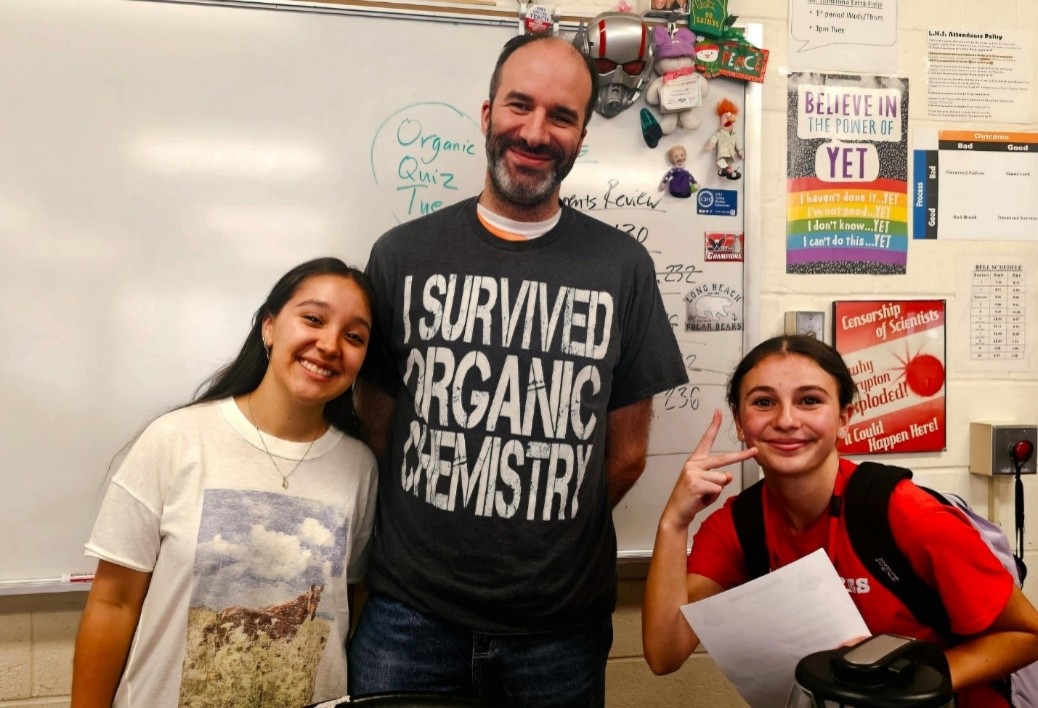
In regard to the cell phone ban, Principal Matthew Sarosy said, “I see a lot of positive.” He said the cell phone ban has students feeling “less distracted” and having “less feeling that they need to check their phones.” Sarosy added, “I’m just very proud of the kids for doing their part [by] being cooperative.” Some students, as could be expected, are not being cooperative. Social studies teacher Koren Pena thinks taking cell phones out of school is beneficial. She said, “Cell phones distract from face-to-face interaction” and “cause unnecessary angst for teenagers throughout the day.” Students, however, seem to have different opinions on the ban.
Junior Isabella Garcia said, “I think [the ban is] really dumb.” She said that she felt the ban did not really affect anyone because some students still had their phones out, and it seemed to her like nothing was being done about it. Adriana Enderica, a junior, said, “We were getting somewhere” and then the cell phone ban came and “now we have to regain trust.” Sanai Wray, a sophomore, said, “I don’t really think it is a good idea.” Wray added that she does not really see the reason for the cell phone ban.
From what has been observed, the cell phone ban is working mostly in class and in the halls, but it does not seem to work as well in the cafeteria. There might be no real point in the cell phone ban if it is not fully enforced. Also, the cell phone ban in school does not do much for students since they can still use their phones a lot outside of school. Sarosy added, “I’d like to see real change after 3:00.” Two examples for change after 3:00 that Sarosy gave are age enforcement for apps and enforcement for content.
Additionally, using laptops less in school would help because people can get addicted to them as well. One of the reasons for the cell phone ban is for students to not be addicted to electronics, so the laptop suggestion would help with this issue. Phones should not be allowed in classrooms except for work, such as taking pictures of art projects, and they should not be allowed in the halls. Cell phones should probably still be banned everywhere else in school because students can use them outside of school during off periods. A presentation about using cell phones excessively, like the presentation about the dangers of vaping, would be very beneficial for students to see once every year. The presentation should teach students about the dangers of excessive cell phone use.
According to the American College of Pediatricians, in a study of 300 people, including students, researchers learned “just having a smartphone present on a table decreased an individual’s attention to others, making one feel more distracted while experiencing less enjoyment during social interactions.” A new word, “phubbing”, was invented to describe this behavior of “snubbing” another individual to focus on one’s phone. Researchers are currently investigating the effect of phubbing on social relationships, not only in teenagers, but also in adults. In one study of 400 college students in India, nearly one-half admitted to phubbing, and those people were less likely to have satisfactory relationships and more likely to describe themselves as depressed. Not only do phones lower the likelihood of someone interacting with others and enjoying such interactions, but phones also negatively impact sleep. Researchers assessing information from the Youth Risk Behavior Surveillance System of the Centers for Disease Control and Prevention discovered that teenagers in 2015 were more likely to report sleeping less than seven hours of sleep reported by teens in 2009. They also, said that “it was use of media screen time that contributed to less sleep”, and there was a “clear exposure-response relationship for electronic devices after two or more hours of use each day.”
The cell phone ban has potential, but it needs to be more strictly enforced. There also needs to be more information presented to students about why excessive exposure and use of cell phones — and laptops — is dangerous.