

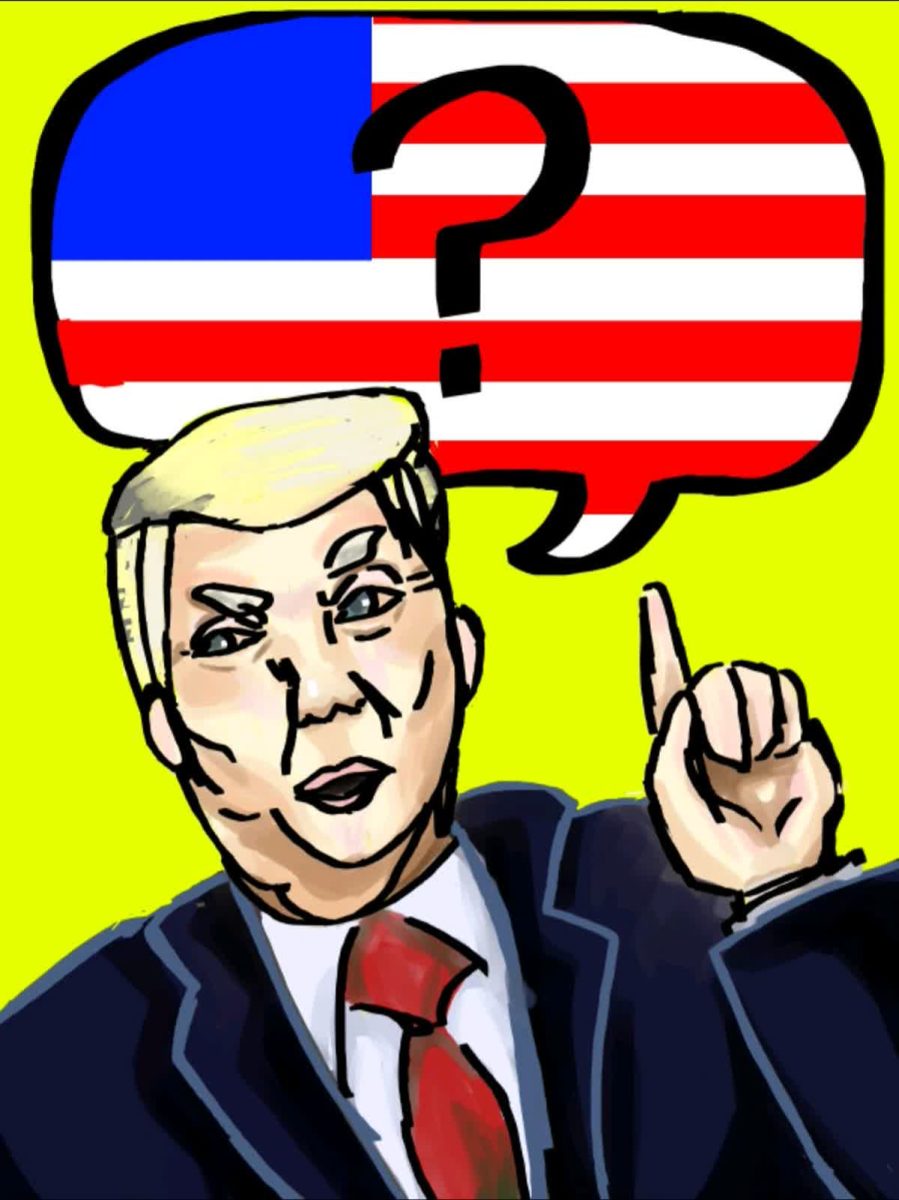









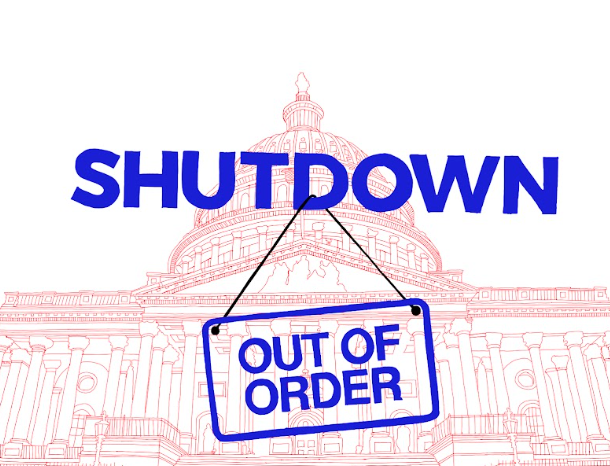
The United States federal government shut down on October 1, 2025. A government shutdown occurs as a result of Congressional failure to pass a bill regarding the budget for the new fiscal year. The United States runs a fiscal year from October 1 to September 30 annually when the bill, which provides government services and funding to the people, is passed. When this bill is not passed by Congress, many essential workers, soldiers, and working-class citizens do not continue to get paid. The long-term effects from this shutdown could include the closing of small businesses, less workers being employed by the government, and a permanent gross domestic product (GDP) loss. This may not seem as though it could affect personal lives, but the longer it goes on, the longer its impact.
Many federal employees will face furlough: a mandatory, temporary, unpaid leave of absence from work. For a number of families and individuals, this unpaid leave creates financial strain during a shutdown. However, federal workers, those employed by the government, should expect back pay, meaning once the shutdown is over, they will get paid for their time. Non-essential employees face furlough with no guaranteed payback.
High schoolers and college students may also feel an impact from the shutdown. The Free Application for Federal Student Aid (FAFSA) may now be delayed, meaning low-income students and families will have a harder time receiving aid money for their college tuition. Even if one does not need financial aid, many schools are seeing a disruption in payments and budgets to fund programs and services. According to Ethan Parker from the University Herald website, “At the core of the disruption is federal funding. Many universities rely heavily on grants from agencies such as the National Institutes of Health, the National Science Foundation, and the Department of Energy. During a shutdown, these agencies may pause issuing new awards or processing grant renewals. Projects scheduled to start could be delayed, and universities may struggle to reimburse salaries or purchase essential materials for ongoing research,” creating monetary issues within universities.
As the shutdown continues, small businesses, taxpayers, employees, and students will continue to see the effects. To end the government shutdown, “Congress needs to pass, and the President must sign, appropriation bills to fund the departments and agencies that have been shut down,” according to Congressman Salud Carbajal, California’s Congressional representative. This being so, the shutdown will have no end in sight until President Trump and Congress pass the bills presented.