





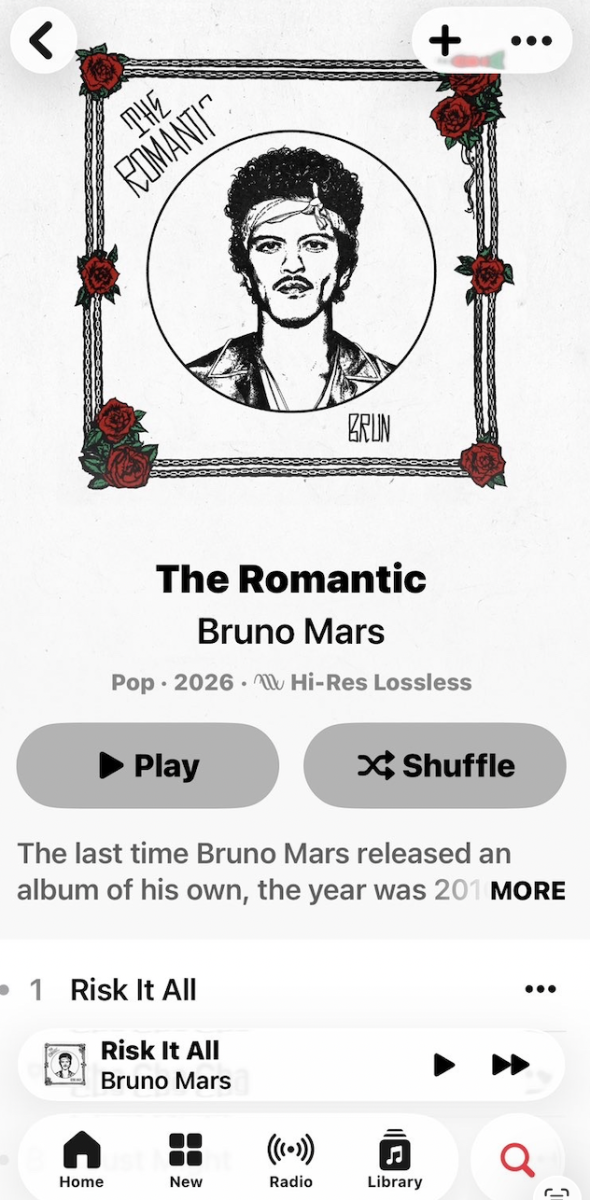





The latest installment in Disney’s ongoing series of live-action remakes, Lilo & Stitch, reimagines the beloved 2002 film. Directed by Dean Fleischer Camp and written by Chris Kekaniokalani Bright and Mike Van Waes, this new version premiered in theaters over Memorial Day weekend, and it has already become the biggest debut in history. In the U.S., fans will appreciate appearances from the film’s original cast, including Tia Carrere (the original voice of Nani), Jason Scott Lee (the original voice of David), and Amy Hill (the original voice of Mrs. Hasagawa). Chris Sanders, who wrote and directed the original, also returns once again to voice Stitch, the rambunctious alien. As in the original, the new Lilo & Stitch features a soundtrack with classic Elvis Presley songs, along with updated covers produced by Bruno Mars.
The plot generally follows the animated version closely. On a distant planet, a scientist named Jumba (Zach Galifianakis) genetically engineers a highly intelligent but also destructive creature known as Experiment 626. Deemed too dangerous, the Grand Councilwoman (Hannah Waddingham) orders 626 to be destroyed. But when the creature escapes and crashlands on Earth, she orders Jumba and an “Earth expert” named Pleakley (Billy Magnussen) to catch him. Now stranded in Hawaii, the creature disguises himself as a dog and is adopted by Lilo Pelekai (Maia Kealoha), a quirky, lonely young girl who often feels like an outsider in her hula class. Struggling to fit in, Lilo instantly bonds with the wild “dog” she names Stitch. Lilo lives with her older sister, Nani (Sydney Elizebeth Agudong), who stepped in as her guardian after their parents died. Nani, now having to put her dreams of becoming a marine biologist on hold, struggles to make ends meet, and serves as a responsible guardian for Lilo. Stitch’s unpredictable behavior only makes matters more difficult, especially as Jumba and Pleakley, now disguised as humans, are on the hunt to capture Stitch.
The sisters also face pressure from Mrs. Keoka (Carrere), a stern but well-meaning social worker, and CIA agent Cobra Bubbles (Courtney B. Vance), who both question Nani’s ability to appropriately care for Lilo. Despite the trouble he causes during all of this chaos, Stitch slowly begins to change and mature. Through Lilo’s care and her belief in “ohana” – the Hawaiian concept of family that means no one gets left behind or forgotten – Stitch finally learns what it means to belong. He works hard to remedy all the trouble he brought upon his adoptive family, and ultimately adds to and “stitches” his “broken but still good” “ohana” together.
The live-action Lilo & Stitch is truly a good adaptation of the animated classic, though the film does introduce some changes. Captain Gantu, who was the antagonist in the animated film, is now gone. Jumba now takes on a more villainous role, being driven by glory. Though it may seem like a small tweak, it truly changes a beloved character of the franchise. Visually, the film is fantastic. Stitch’s CGI design perfectly balances being both cuddly and chaotic. He really does look like an innocent, fluffy animal any child would love to have as a pet. The alien designs are
also reimagined, as Pleakley and Jumba are now portrayed in human form, which adds plenty of comedic moments, especially as they both have not quite mastered human behavior.
Kealoha delivers a fantastic performance as Lilo, expertly showcasing both her playfulness and emotional depth. Agudong also does a great job portraying Nani’s strength and sacrifice while dealing with two mischievous creatures. In the original, though Nani obviously struggled with her new role as caretaker, she is overall kinder and gentler with Lilo. Though it makes sense that frustrations would surface, making her lash out as she even did in the original, Nani is now more understanding of why Lilo was being so difficult. On the other hand, this could be seen as more realistic, illuminating the struggles that the original Nani attempted to hide to further demonstrate the depth of the difficulties she faced.
In a notable change from the original, Nani decides to pursue her dream of becoming a marine biologist at UC San Diego, a dream that had not been mentioned in the original, transferring Lilo’s custody to David and his grandmother, Tutu. But thanks to Jumba’s portal gun, Nani can still visit Lilo and Stitch anytime. Even more importantly, many believe that this change inherently contradicts the concept of “ohana.” In the live-action ending, the phrase “nobody gets left behind” is countered by Tutu, who tells Nani, “don’t leave yourself behind.” While this is a good sentiment, it effectively rewrites the meaning “ohana.”
In the end, despite a few controversial changes, the live-action Lilo & Stitch is a heartfelt and entertaining reimagining. Like the original, it is a great reminder that even the most unlikely people (or aliens) can become “ohana.”